

August 25, 2025

Nursing with Purpose | Sandra’s Journey to Occupational Health Excellence

At MAYDAY Healthcare, we’re proud to work with nurses who lead with passion, purpose, and professionalism. One such nurse is Sandra, whose impressive journey from hospital wards to the frontline of occupational health nursing is both inspiring and timely. We are lucky to have Sandra on team MAYDAY and I loved having the opportunity to sit down with her to learn more about her career and her passion for Occupational Health.


Sandra has dedicated much of her career to working within occupational health, helping working Australians stay safe, well, and supported on the job.

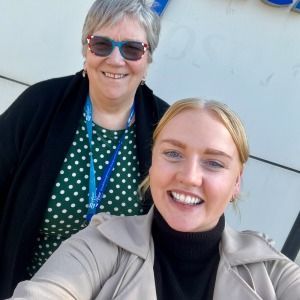
Two smiling women posing for a selfie. One wearing a green polka dot shirt and sunglasses, the other in a tan coat.

A Career That Chose Her


Sandra’s story begins in Brisbane, where she faced a pivotal decision early in life.


“When I was at school, it was either teaching or nursing,” she recalls. “I was accepted into the Royal Brisbane Hospital and being a Brisbane girl, that was it. The rest is history.”


She started out in traditional clinical nursing roles, gaining broad experience across hospitals. But over time, she was drawn to something different, something more proactive.


“What really appealed to me about occupational health nursing was the preventative side. You’re helping people avoid injury or manage health conditions in a way that lets them stay at work, or return to work safely. It’s a very human, very holistic role.

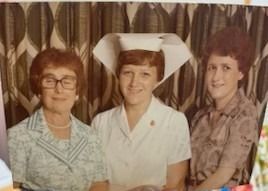
Three women pose for a photo: One in a nursing uniform, the others in patterned clothing, set against a floral curtain.

Sandra on her Nursing Graduation.

Stepping into Occupational Health


Occupational health nursing has taken Sandra into all kinds of industries, mining, manufacturing, and even hospitals where staff clinics are increasingly recognising the value of dedicated health professionals on site.


 “It’s a very unique space within nursing,” she explains. “There’s not a lot of visibility, but there’s enormous impact. Employers rely on us to support their staff and manage risks and yet, we’re still not formally recognised as a speciality by AHPRA.


Each year when Sandra re-registers as a nurse, she has to select “Other” when identifying her speciality.


“That’s frustrating. There are categories for mental health, emergency, aged care… but not occupational health. And yet we’re essential in so many industries.”


Recognition and Advocacy


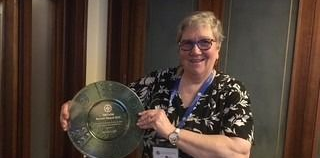
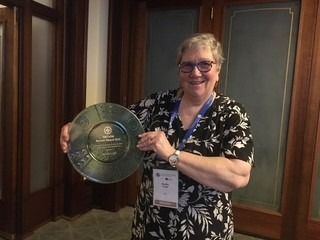
Despite the systemic oversight, Sandra’s work has not gone unnoticed. In 2024, she was formally acknowledged through the ANZSOM Occupational Health Nurse (OHN) Recognition Program, and was honoured at the ANZSOM Awards for her contributions to the profession.


It was such a lovely moment,” she says. “To be recognised by peers in your speciality that means a lot. It’s validation that this work matters.”


Sandra is also passionate about encouraging others to get involved and give back to the profession.


I always say, get out there, join your professional group, volunteer,” she urges. “You only get out of it what you put in, and being active in these groups is how we build strength and visibility.”

Woman holding an award, smiling. She wears glasses, a floral top, and a lanyard. Interior setting with wooden doors.

Sandra recieving her ANSZSOM Occupational Health Nurse Recognition

Looking Ahead: ANZSOM 202Conference


Sandra is particularly excited about the upcoming ANZSOM Conference, taking place October 19–22, 2025 at The Langham, Melbourne.


“It’s shaping up to be a fantastic event. The program includes some excellent speakers, and it’s a great opportunity for networking and professional development,” she says. “If you’re even slightly curious about occupational health nursing, this is the event to come to.”


Why This Work Matters


In her day-to-day, Sandra focuses heavily on return-to-work programs, injury management, and WorkCover cases. She highlights the importance of compassion and communication in her role.


“You hear of people who’ve been on WorkCover for two years and never once heard from their employer. That’s just not right,” she says. “People need to feel supported, not forgotten. And that’s what we do in this field.”


Sandra’s journey is a reminder that nursing isn’t just about hospitals, it’s about meeting people where they are, including in the workplace. Through advocacy, mentorship, and service, she continues to shape the future of occupational health nursing.


“There’s still a lot of work to do in terms of recognition, but we’re getting there,” she says. “I’m proud to be part of that.”


Want to learn more about occupational health nursing or explore opportunities in the field? Contact MAYDAY Healthcare today. And don’t forget to check out the ANZSOM 2025 Conference in Melbourne this October!

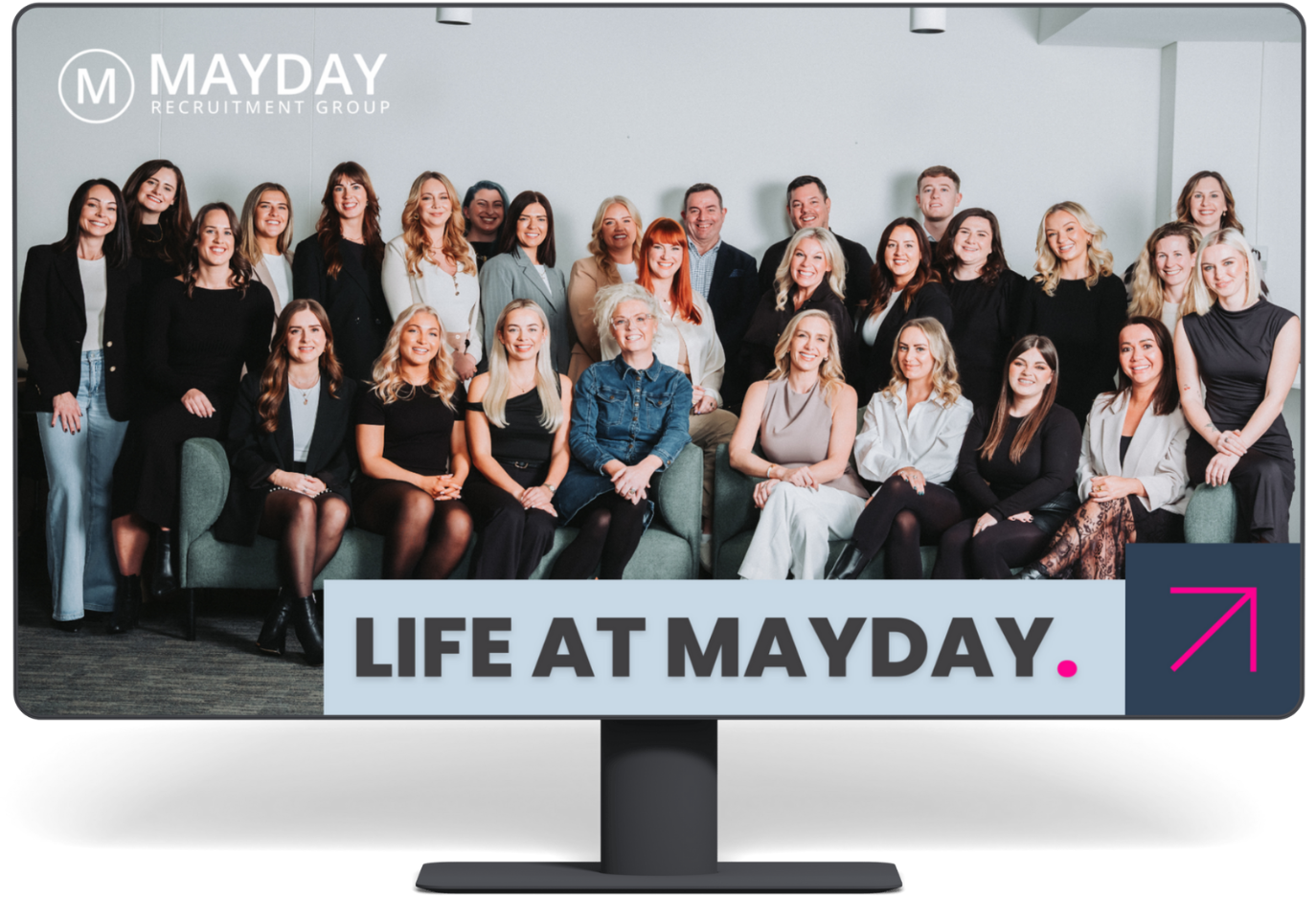
Mayday staff posing for group photo, text

Discover the MAYDAY

Experience from the Inside.

From our culture and benefits to the career pathways and stories

behind our people, our Lite at MA VDAY brochure gives you a deeper

look into what makes working here genuinely special.


If you're curious about what your future could look like with us, this is

the place to start.

Life at Mayday

More Insights.

July 22, 2026
In this edition of MAYDAY Healthcare Pulse Check, we're exploring a challenge that's all too familiar for healthcare leaders… breaking the cycle of being short-staffed and building a more resilient workforce. Let’s be honest, being short-staffed in healthcare isn’t new. But staying stuck in that cycle is. Across hospitals and clinics, many teams find themselves constantly reacting. A resignation lands, rosters need covering, pressure builds, and hiring becomes urgent. Roles get filled quickly, but not always thoughtfully and before long, the same gaps reopen. It’s a cycle that feels unavoidable… but it doesn’t have to be. The difference comes down to one shift: moving from reactive hiring to a more proactive, long-term approach. That starts with having a workforce strategy in place. Planning ahead allows healthcare teams to anticipate staffing needs, reduce reactive hiring, and build a more resilient team. So, why does reactive hiring keep teams stuck, and what does an effective workforce strategy actually look like? Why reactive hiring keeps teams stuck When hiring only begins once there’s a gap, you’re already on the back foot. Decisions get rushed, candidate pools shrink, and existing staff carry more pressure. Roles are often filled out of urgency rather than alignment, which can lead to higher turnover and the cycle repeating itself. What a more resilient approach looks like More stable teams tend to do three things well: They build talent pipelines before they need them, keeping conversations warm and staying connected to the market so they’re not starting from scratch when roles open. They use agency support strategically, not just in a crisis. Having reliable contract staff in place protects permanent teams and creates breathing space to hire properly. They think beyond immediate cover, hiring with retention, team fit, and long-term value in mind. A real example of this in action We recently partnered with a major hospital in Queensland that had never worked with an agency before. Following an initial call with their Director of Clinical Services, we were introduced to five Nurse Unit Managers across their perioperative teams. It quickly became clear the challenge wasn’t just filling roles; it was managing periods of increased demand while also planning for longer-term stability. This is where a more flexible approach made a real difference. We were able to step in with contract support, helping the teams navigate a busy period, whether that was increased theatre activity, onboarding new surgeons, service expansion, or covering planned and unplanned leave. This immediate support eased pressure on permanent staff and ensured continuity of care. Alongside this, we worked closely with each team to map out longer-term hiring needs, ensuring we weren’t just filling gaps, but building towards something more sustainable. Since then, the partnership has continued to grow, with ongoing support across both contract and permanent hiring as part of a longer-term workforce plan. By combining immediate contract staffing with strategic permanent recruitment, the hospital has reduced last-minute workforce gaps, improved workforce consistency, enhanced patient access to care, and created a more supported and sustainable environment for both clinicians and leaders. Great care starts with the right team Healthcare will always be fast-paced, but how you manage that pressure is what defines your team. A reactive approach keeps you in survival mode. A more proactive, flexible one builds stability. The organisations seeing the greatest success aren't simply filling vacancies as they arise; they're following a workforce strategy built on three key pillars: planning ahead, partnering with trusted staffing experts, and balancing contract and permanent recruitment. It's this approach that helps them build resilient teams ready for today's pressures and tomorrow's challenges. At MAYDAY Healthcare , we focus on building long-term partnerships and delivering staffing solutions that actually last. If you’re looking to navigate a busy period or build a more sustainable team for the future, we’re always here for a conversation .
Two people in hospital PPE and face shields pose indoors with a text sign between them.
May 14, 2026
We hear from Florlyn about what inspired her to pursue nursing, and the rewarding impact of working behind the scenes in theatre care.

Nurse and her family
May 7, 2026
In this feature, we hear from Jeal about the realities of working as a scrub scout nurse, and what stands out about her experience working as a MAYDAY nurse.