


Here are some simple ways to create a better interview experience while showcasing your workplace in an authentic and positive way.
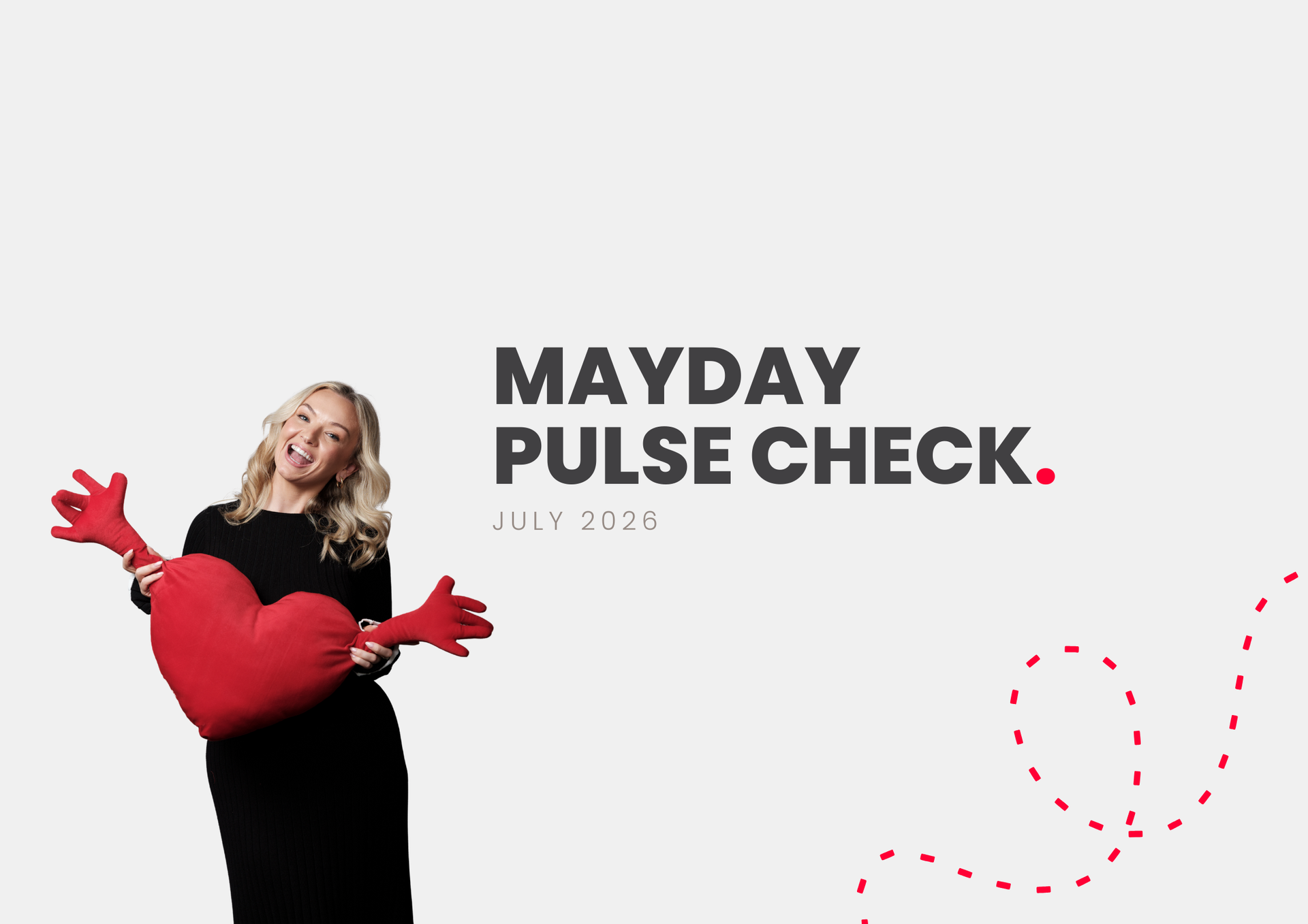
In this edition of MAYDAY Healthcare Pulse Check, we're exploring a challenge that's all too familiar for healthcare leaders… breaking the cycle of being short-staffed and building a more resilient workforce. Let’s be honest, being short-staffed in healthcare isn’t new. But staying stuck in that cycle is. Across hospitals and clinics, many teams find themselves constantly reacting. A resignation lands, rosters need covering, pressure builds, and hiring becomes urgent. Roles get filled quickly, but not always thoughtfully and before long, the same gaps reopen. It’s a cycle that feels unavoidable… but it doesn’t have to be. The difference comes down to one shift: moving from reactive hiring to a more proactive, long-term approach. That starts with having a workforce strategy in place. Planning ahead allows healthcare teams to anticipate staffing needs, reduce reactive hiring, and build a more resilient team. So, why does reactive hiring keep teams stuck, and what does an effective workforce strategy actually look like? Why reactive hiring keeps teams stuck When hiring only begins once there’s a gap, you’re already on the back foot. Decisions get rushed, candidate pools shrink, and existing staff carry more pressure. Roles are often filled out of urgency rather than alignment, which can lead to higher turnover and the cycle repeating itself. What a more resilient approach looks like More stable teams tend to do three things well: They build talent pipelines before they need them, keeping conversations warm and staying connected to the market so they’re not starting from scratch when roles open. They use agency support strategically, not just in a crisis. Having reliable contract staff in place protects permanent teams and creates breathing space to hire properly. They think beyond immediate cover, hiring with retention, team fit, and long-term value in mind. A real example of this in action We recently partnered with a major hospital in Queensland that had never worked with an agency before. Following an initial call with their Director of Clinical Services, we were introduced to five Nurse Unit Managers across their perioperative teams. It quickly became clear the challenge wasn’t just filling roles; it was managing periods of increased demand while also planning for longer-term stability. This is where a more flexible approach made a real difference. We were able to step in with contract support, helping the teams navigate a busy period, whether that was increased theatre activity, onboarding new surgeons, service expansion, or covering planned and unplanned leave. This immediate support eased pressure on permanent staff and ensured continuity of care. Alongside this, we worked closely with each team to map out longer-term hiring needs, ensuring we weren’t just filling gaps, but building towards something more sustainable. Since then, the partnership has continued to grow, with ongoing support across both contract and permanent hiring as part of a longer-term workforce plan. By combining immediate contract staffing with strategic permanent recruitment, the hospital has reduced last-minute workforce gaps, improved workforce consistency, enhanced patient access to care, and created a more supported and sustainable environment for both clinicians and leaders. Great care starts with the right team Healthcare will always be fast-paced, but how you manage that pressure is what defines your team. A reactive approach keeps you in survival mode. A more proactive, flexible one builds stability. The organisations seeing the greatest success aren't simply filling vacancies as they arise; they're following a workforce strategy built on three key pillars: planning ahead, partnering with trusted staffing experts, and balancing contract and permanent recruitment. It's this approach that helps them build resilient teams ready for today's pressures and tomorrow's challenges. At MAYDAY Healthcare , we focus on building long-term partnerships and delivering staffing solutions that actually last. If you’re looking to navigate a busy period or build a more sustainable team for the future, we’re always here for a conversation .
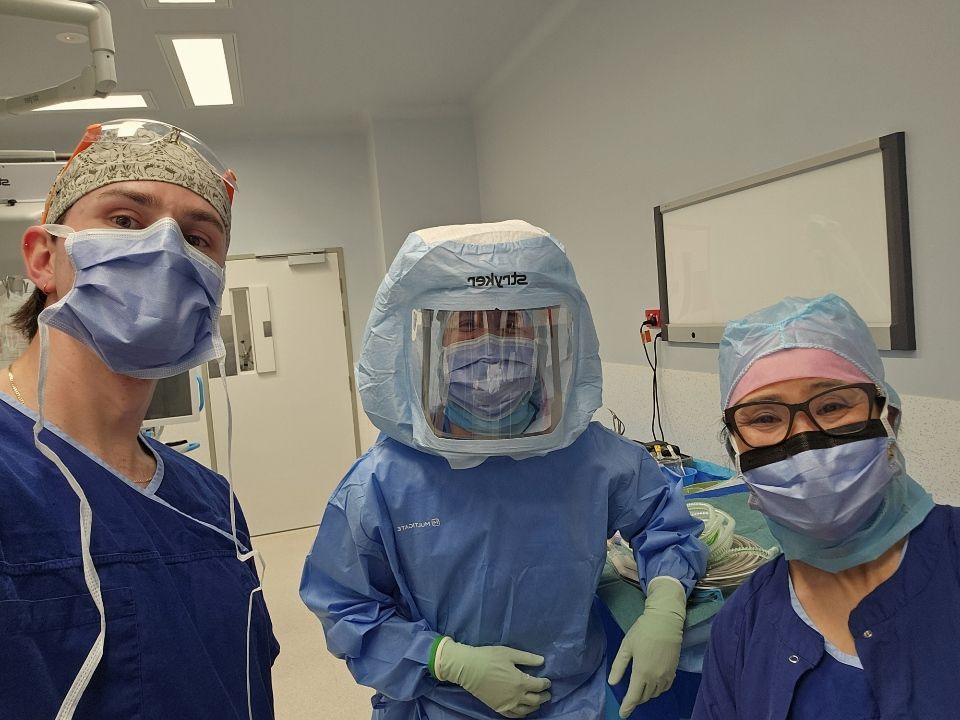
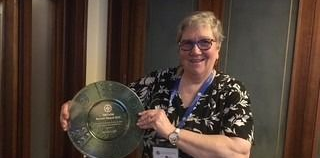
We hear from Florlyn about what inspired her to pursue nursing, and the rewarding impact of working behind the scenes in theatre care.