

December 18, 2025

Residential, Home Care or NDIS? How to Hire the Right People for Each Care Model

Hiring in aged care and community services isn’t one-size-fits-all. Residential aged care, home care and NDIS services may sit under the same umbrella, but the skills, mindset and workforce risks in each are very different.


Getting this wrong doesn’t just impact rosters. It affects continuity of care, compliance, client outcomes and team morale.


 Here’s what hiring managers need to know when building teams across each model.


Residential Aged Care: Consistency, Clinical Confidence & Team Fit


Residential aged care runs on structure, routine and teamwork. Staff are caring for residents with higher acuity needs, often in regulated, fast-paced environments where clinical confidence and reliability are non-negotiable.


What matters most when hiring:


  • Experience in residential or acute-style settings
  • Strong medication management and documentation skills
  •  Comfort working within strict policies, procedures and accreditation standards
  • Ability to collaborate under pressure as part of a larger care team


Common hiring mistakes:


  • Prioritising speed over experience
  • Assuming home care or disability backgrounds will automatically translate
  • Underestimating the importance of shift reliability and roster stability


The right hire here is steady, structured and clinically confident, not just caring.


Home Care: Independence, Emotional Intelligence & Trust


Home care is deeply personal. Your staff are entering clients’ homes, often working alone and building one-on-one relationships over time. Success here relies less on task execution and more on judgment, communication and consistency.


What matters most when hiring:


  • Proven ability to work autonomously
  • Strong communication and interpersonal skills
  • Respect for client independence, privacy and routine
  • Reliability - missed visits have a direct impact on client wellbeing


Common hiring mistakes:


  • Hiring clinically strong candidates who struggle without team oversight
  • Underestimating the emotional labour involved
  • Overlooking cultural fit and values alignment


In home care, trust is everything and the wrong hire is felt immediately.


NDIS: Adaptability, Boundaries & Person-Centred Thinking


NDIS roles require a very specific skill set. Support workers need to balance flexibility with professionalism, compassion with boundaries, and client choice with compliance.


No two participants are the same and neither are their support needs.


What matters most when hiring:


  • Experience with diverse needs and behavioural support
  • Clear understanding of professional boundaries
  • Strong documentation and reporting habits
  • Adaptability across different participants, schedules and environments


Common hiring mistakes:


  • Assuming “support worker” experience is transferable across all participants
  • Underestimating the complexity of participant-led care
  • Not screening for resilience and emotional regulation


NDIS hiring is about mindset as much as skill.


Why the Care Model Should Shape Your Hiring Strategy


Many workforce challenges stem from misaligned recruitment, hiring good people for the wrong environment.


Residential, home care and NDIS services each require:


  • different screening criteria
  • different onboarding approaches
  • different retention strategies


Treating them the same increases turnover, burnout and service disruption.


How MAYDAY Healthcare Supports Smarter Hiring


At MAYDAY Healthcare, we don’t just recruit “aged care staff.” We recruit for the care model you operate in.


Our consultants understand:


  • compliance and accreditation requirements
  • acuity differences
  • workforce pressures unique to each setting
  • what success actually looks like on the floor


We tailor our sourcing, screening and shortlisting to ensure the people we place are:


  • technically capable
  • culturally aligned
  • job-ready from day one


Hiring across Residential, Home Care or NDIS?


Let’s talk about the workforce model that fits your service, not just your vacancy.


[Submit Vacancy]
[Talk to MAYDAY Healthcare]

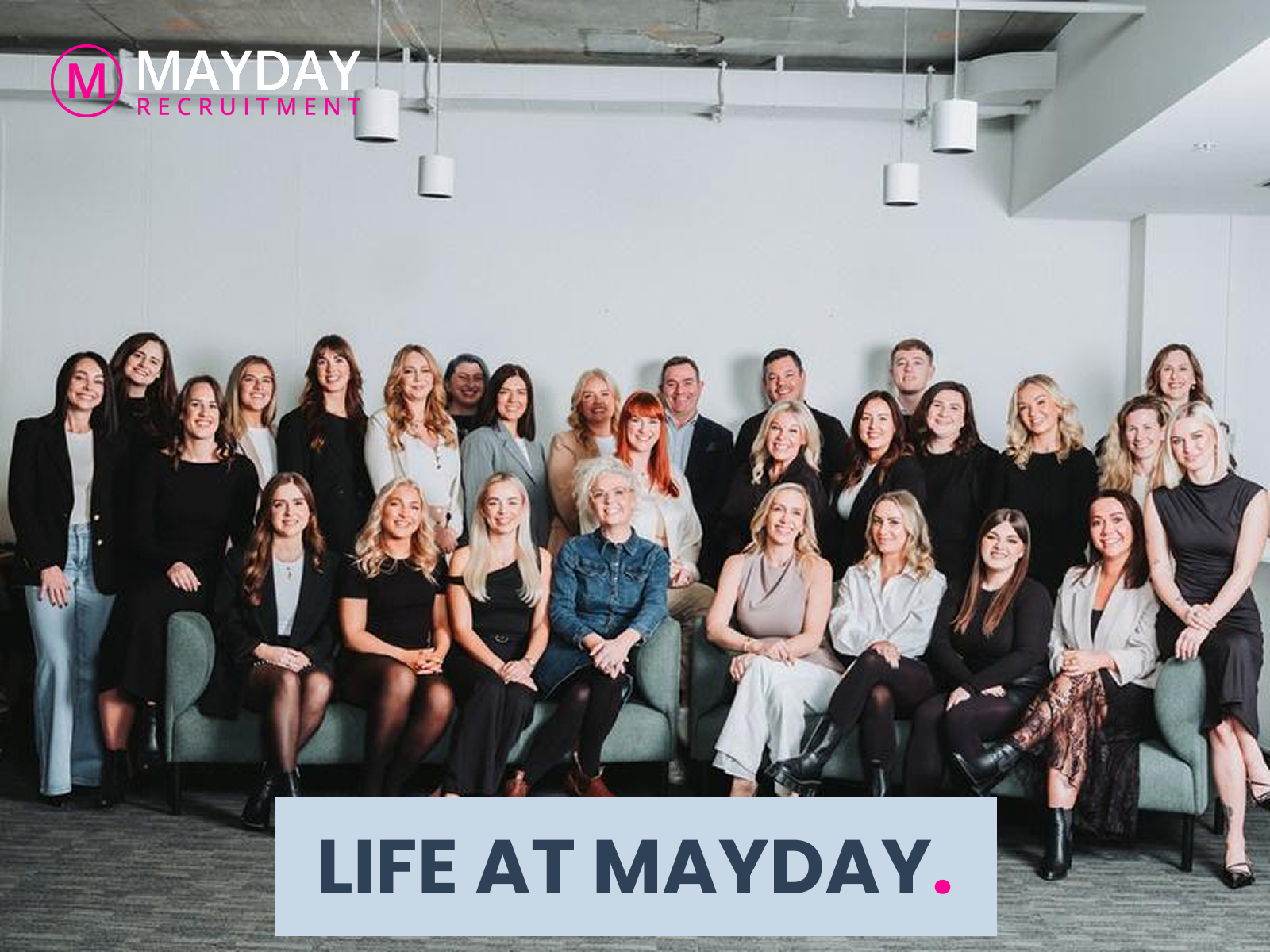
Group of people posing for a photo in an office setting with the words “Life at Mayday.”

Discover the MAYDAY

Experience from the Inside.

From our culture and benefits to the career pathways and stories

behind our people, our Lite at MA VDAY brochure gives you a deeper

look into what makes working here genuinely special.


If you're curious about what your future could look like with us, this is

the place to start.

Life at Mayday

More Insights.

Four white paper figures holding hands on a pink background.
By Siobhan Filen March 9, 2026
International Women’s Day invites us to pause. To reflect and to take action. UN Women Australia’s theme for 2026, Balance the Scales , challenges us to confront the structural barriers that still limit equality, safety and fairness for women. In Australia’s healthcare sector, the imbalance is clear. Women make up around 74% of the health workforce a s a whole, delivering care, supporting patients and holding the system together every day. Yet when we look at who leads our healthcare organisations, the picture shifts. According to the Australian Academy of Health & Medical Sciences , leadership teams still don’t reflect the people powering the sector citing that women make up just 26% of leadership roles. A workforce powered by women . Women make up the overwhelming majority of Australia’s healthcare workforce. This is particularly visible across nursing , midwifery, allied health and community care , where women deliver frontline care, support patients and keep the system running day to day. They are, quite literally, the backbone of the workforce. Yet despite this strong representation, the same balance is not reflected in leadership. According to data from the Workplace Gender Equality Agency , women hold just 19.4% of CEO roles and 32.5% of key management positions nationally , highlighting the gap between who powers the sector and who leads it. Healthcare is no exception. While nearly 90% of Australia’s nursing workforce is female , leadership roles remain far less representative; even in sub sectors where they make up the majority of the workforce. Balancing the scales through fair, consistent recruitment . To create leadership teams that reflect the people delivering care, organisations need recruitment processes that are transparent, inclusive and consistent. From our experience here at MAYDAY Healthcare, these five practical steps make a meaningful difference: Use a standardised recruitment process - ensuring every candidate is assessed against the same criteria and interview structure. Form diverse interview panels - bringing multiple perspectives into decision making and reducing unconscious bias. Advertise roles inclusively - using neutral language and highlighting flexibility to attract a broader, more representative talent pool. Develop internal leadership pathways - giving existing staff access to sponsorship, development, and stretch opportunities. Document and review hiring decisions - creating transparency and accountability in how leaders are selected. A leadership team that reflects the workforce . Healthcare is built on empathy, diversity and service. Leadership should reflect those same values. When executive teams mirror the workforce, organisations benefit from stronger culture, better decision making, and improved patient outcomes. Balancing the scales isn’t about favouring one group over another—it’s about ensuring the systems we use to select leaders are fair, consistent and aligned with the reality of today’s healthcare workforce.
Woman with blonde hair, in a denim jumpsuit, smiles and looks at the viewer, set against a grey background.
December 20, 2025
At MAYDAY, “Recruitment with Care” is a lived daily practice, not just a slogan. And no one brings that philosophy to life more than Kat, Co-Founder and HR Director. From mentoring future leaders to shaping the programs that support our team’s wellbeing and progression, Kat plays a pivotal role in building the people-first culture we’re so proud of. We sat down with her to talk about what care looks like behind the scenes, how we support long-term growth and the little moments that make it all worthwhile. 1. What does “recruitment with care” actually mean for you day-to-day? It means treating people like people. Picking up the phone, being honest, keeping promises and remembering that every candidate is a real human with a real life. Care is in the micro-moments - the follow-ups, the empathy, the effort to really listen. 2. How do you support career growth at MAYDAY? By actually listening. We talk openly about goals, strengths, ambitions and the parts someone might want to develop. From there, we build a pathway that feels achievable and personal. Our approach includes: Clear expectations and structured progression plans Regular check-ins Access to senior mentors across the business A robust internal training calendar designed around real needs. We want every team member to see a future here and feel supported getting there. 3. What initiatives are you most proud of implementing? For me, it would be creating and implementing our people focused initiatives - the ones that genuinely make a difference in someone’s day, not just look good on paper. Things like: Stay interviews that help us understand what keeps people at MAYDAY Our return-to-work support framework The wellness program built around Move, Money, Munch and Mind Our mentoring and internal training programs The clarity of our progression plan. These are foundations, not add-ons. We’re in a constant pursuit of creating an environment where people feel supported, valued and set up for success. 4. Leading a growing team can’t be easy. What’s the biggest lesson you’ve learned? Communicate everything, even the small stuff. Transparency builds trust, and trust builds teams. And be kind - to yourself and to the people around you. Leadership isn’t about having all the answers; it’s about showing up consistently with empathy and clarity. 5. What gets you out of bed in the morning (besides coffee and 4 children)? Usually my one-year-old… or my husband returning from the gym! But professionally, it’s watching people grow. I love bringing new people into the business and seeing them settle, succeed and surprise themselves. Watching existing team members step into new challenges or progress their careers is the most rewarding part of my job. 6. Can you spill the secret sauce that makes MAYDAY such a great place to work? Our people. We hire genuinely great humans, trust them, support them and keep the ego out of the room. We genuinely want the best for every person. Want to learn more about Life at MAYDAY? Inspired to learn more about Life at MAYDAY? Connect with Kat for a chat or head to our Careers page to see where your next step could take you.
Man in blue scrubs, bun hairstyle, and beard, examining a vial with a syringe in a medical setting.
December 18, 2025
Client Overview A leading private healthcare provider, specialising in surgical and outpatient care. The organisation employs specialist staff across multiple departments and prides itself on delivering high-quality, patient-centred care. The Challenge The client needed a confidential executive search for a Director of Nursing. Their existing DON was relocating interstate, and the organisation required a seamless transition with minimal disruption to operations and patient care. Finding a candidate with the right leadership experience, cultural alignment and clinical credibility was critical. Our Approach Conducted an in-depth job briefing with the two owners to define essential skills, leadership attributes and cultural fit. Developed a targeted job ad and social media collateral in collaboration with the client. Initiated a strategic headhunting campaign, leveraging our national network of senior nursing leaders. Maintained regular, transparent updates with the client, ensuring alignment at every stage of the process. The Impact 4 days to deliver a shortlist of high-calibre candidates. 2 weeks total turnaround from brief to placement. 100% compliance checks completed before the candidate started. Zero operational disruption reported during the transition. A highly skilled Director of Nursing was successfully placed, bringing immediate leadership impact and cultural alignment. The client could focus on their clinical responsibilities, confident that the transition was managed seamlessly. Client Feedback: The two owners, both surgeons, praised the process as efficient, low-disruption and professionally managed end-to-end. They highlighted our proactive communication and sector expertise as key factors in the successful outcome.